
I came to Chiang Mai with the idea of slowing down.
Not because I was tired of travelling, and not because I wanted to escape anywhere — but because I wanted to live differently for a while. To ease the pace, to relax into a place instead of passing through it, and to experience what everyday life might feel like if I stopped rushing altogether.
I expected a pleasant atmosphere. What I found was something much deeper.
Northern Thailand: A Place to Slow Down and Recharge
There’s something about northern Thailand that makes slowing down feel effortless.
The rhythm here is different — not slower in a passive way, but calmer and more intentional. Compared to Thailand’s beach destinations or major tourist hubs, Chiang Mai doesn’t push you into a predefined version of “holiday life”. There’s space to build your own routine.
What struck me most was how unforced everything felt. No one rushes you, yet things get done. Shops open, markets buzz, cafés fill up, work happens — just without the constant sense of hurry that often defines everyday life in many other places. In Chiang Mai, productivity and well-being coexisted naturally in my daily life. There’s a quiet happiness in that balance, and a steady sense of inspiration that comes from not feeling pressed for time.
What everyday life looks like in one place
You might think that staying in one place for longer would get boring — same streets, similar routines, no constant novelty. In Chiang Mai, it felt like the opposite: repetition opened doors instead of closing them.
Part of my routine was returning to the same café, and after a while, familiar faces stopped feeling random. One of those faces became my friend — she had already been travelling across Asia for years and had Thai friends in Chiang Mai. One evening, she invited me to join them at a bar for a birthday celebration. “Yes, I’ll definitely be there,” I replied without hesitation. And honestly, that evening became one of the most memorable moments across all my trips. We sang along to Thai songs (my Thai singing is not great, but I tried my best 😄), clapped through toasts in two languages, and laughed until we forgot who was local and who had just arrived.
There was a moment when I realised I no longer felt like a visitor. Chiang Mai had quietly started to treat me as part of its everyday rhythm.
Finding community through everyday activities
What also surprised me was how easy it was to connect — not only with locals, but with other foreigners who had chosen a similar way of life. Long-term travelers, remote workers, creatives — over time, they form their own quiet subculture: international, respectful, deeply intertwined with local life.
If you’re looking for a travelers’ community in Chiang Mai, start with:
- Coworking spaces
- Language exchange meetups
- Workshops and hobby classes
- Local online groups
Culture through daily life, not landmarks
Cultural immersion in Chiang Mai became real for me when I stopped observing from a distance and started doing small things the way locals do them.
🛍️ At local markets, Thai friends taught me simple etiquette that made a big difference: greet first, smile, ask before taking close photos, and share dishes instead of ordering everything separately. Food stopped feeling like a checklist and became a social ritual.
🛕 Around temples, I learned a different kind of pace — one shaped by respect: dress modestly, keep my voice low, remove shoes where required, and treat sacred spaces as places of respect, not quick photo stops. Following these habits changed how I experienced each visit.
🤝 In everyday interactions, locals also showed me how much culture lives in tone and behaviour: staying calm in tense moments, being patient in queues, and showing quiet respect in conversation. Trying to do things “the local way” taught me more than any attraction list ever could.
As local culture became part of my daily life, I also started doing what many locals do in their free time — taking short trips around the city.
Short trips from Chiang Mai that expand daily life
From Chiang Mai, short trips to the mountains, nearby villages, and along quiet countryside roads feel less like travel and more like a natural extension of city life — simply how free time is spent.
These are a few nearby places I’d recommend exploring, all within easy reach by motorbike or car.
Mae Sa Valley
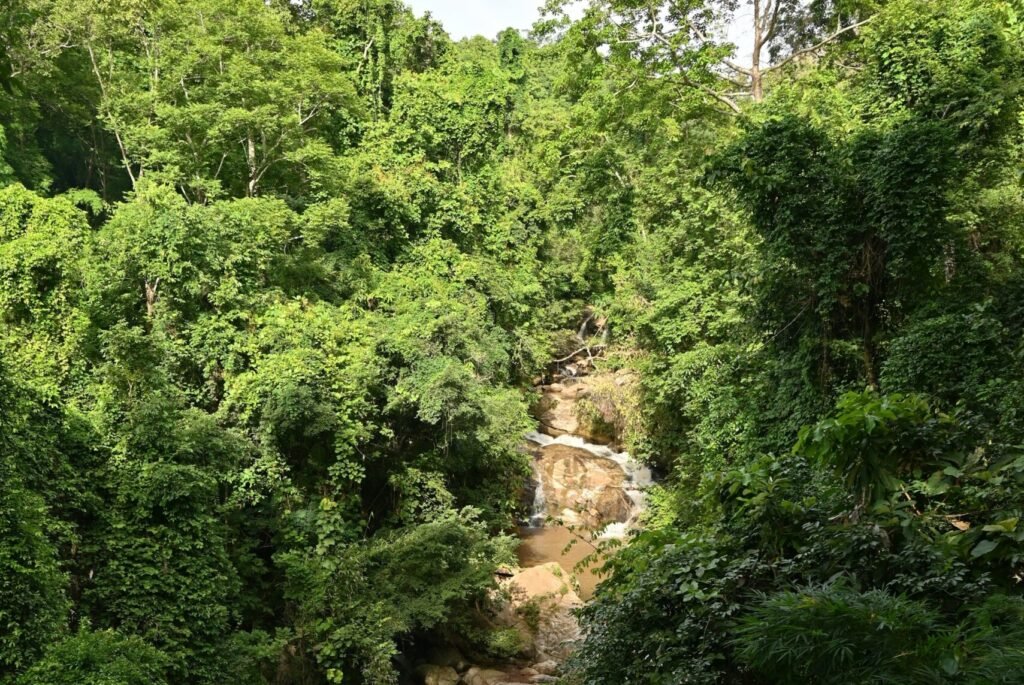
🛵 Driving time: ~30 min
📍 Google Maps: Mae Sa Valley
Mae Sa Valley is a green mountain valley just outside Chiang Mai, known for its waterfalls, forested hills, and winding roads. The drive itself feels unhurried, opening into cooler air, shaded paths, and cafés tucked among the trees. It’s the kind of place where time stretches naturally — perfect for a half-day escape that ends back in the city by evening.
Mae Kam Pong
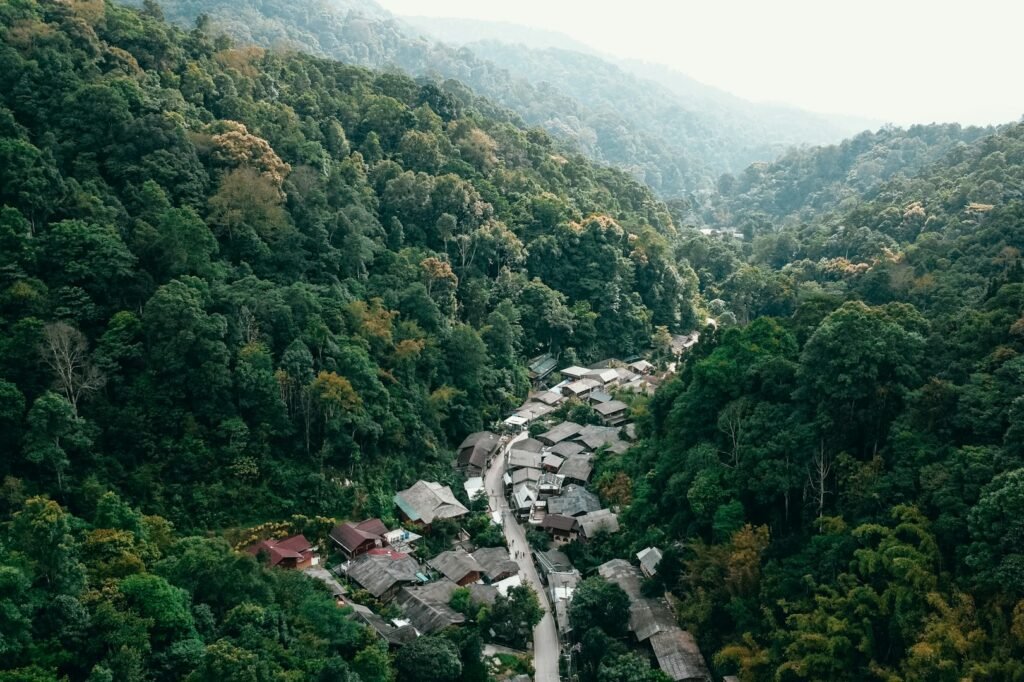
🛵 Driving time: ~1 hour 10 min
📍 Google Maps: Mae Kam Pong
Mae Kam Pong is a small mountain village surrounded by forest, about an hour and a half from Chiang Mai. The village is built along a narrow road following a stream, with wooden houses, cafés, and small local shops forming its center. Visitors come here to see traditional village life in northern Thailand, walk short forest trails, visit nearby waterfalls, and spend time in locally run cafés overlooking the valley. Even a few hours in Mae Kam Pong give a clear sense of how rural communities in the north are organised, making it an easy and rewarding half-day or day trip from the city.
Doi Suthep
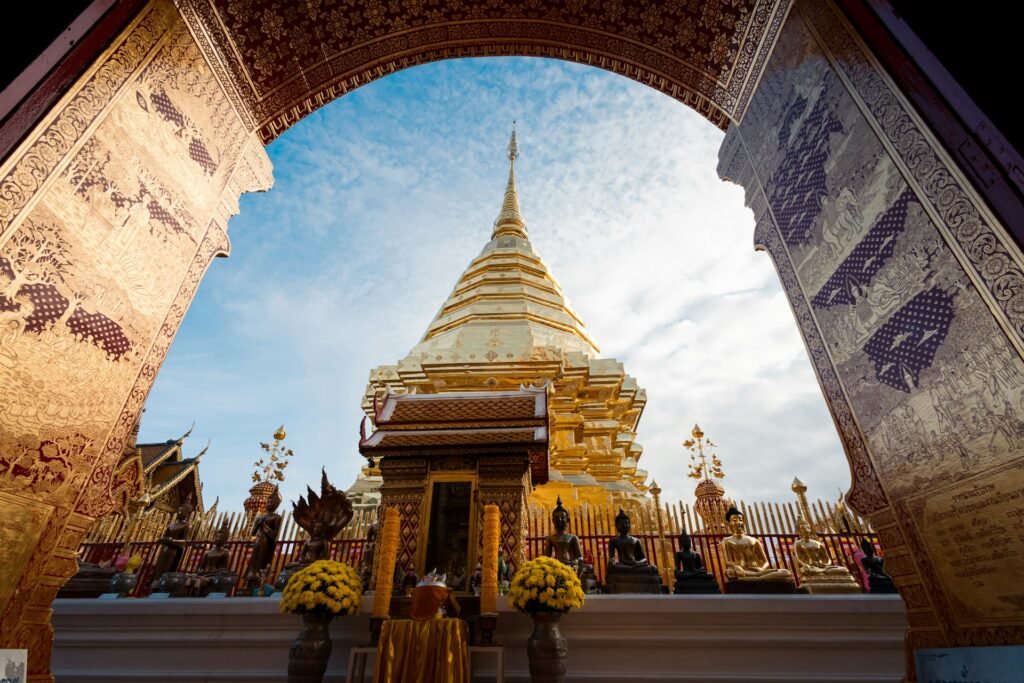
🛵 Driving time: ~45 min
📍 Google Maps: Doi Suthep
Doi Suthep rises above Chiang Mai on a forested mountain and is best known for its temple, but the area offers much more than a single landmark. The surrounding roads lead to walking trails, viewpoints overlooking the city, and quiet forested areas that feel removed from urban life. It’s an easy place to come for a morning walk, a short hike, or an evening drive, and over time it shifts from a sightseeing stop into a familiar escape — a space that naturally becomes part of everyday life rather than a one-time visit.
What this experience changed
A long stay in Chiang Mai didn’t just change how I experienced Thailand — it subtly reshaped how I think about travel. I stopped focusing on how many places I could visit and began paying attention to routines, familiar places, and the comfort of feeling recognised.
If you’re deciding whether northern Thailand is right for you: Chiang Mai works best when you want a calmer base, meaningful routines, and culture that shows up in everyday life. If you want nonstop beach energy and party-heavy nights, southern Thailand may fit you better.
How travelers usually arrive in Chiang Mai
Chiang Mai is easily reached by air, with most international travelers arriving via Bangkok. From there, frequent domestic flights connect Bangkok with Chiang Mai International Airport (CNX), making the transition from a busy capital to northern Thailand quick and straightforward.
If you’re travelling from Europe, Southeast Asia, or planning your route via Bangkok, Skyscanner is a convenient starting point for comparing flight options and connections.
If you have time between flights, a short stopover in Bangkok can add an interesting contrast to the journey. This one-day Bangkok itinerary offers a concise way to experience the city before continuing on to northern Thailand.
Where to stay in Chiang Mai for a slower, lived-in experience
Choosing the right place to stay matters if you want to experience Chiang Mai beyond a short visit. Neighbourhood and atmosphere often make a bigger difference than hotel stars.
Nimmanhaemin is best if you want cafés, coworking-friendly spots, gyms, and an easy social atmosphere. It’s convenient for long stays where work and daily routines matter.
Areas around the Old City are better if you want walkable streets, markets, and temples woven into everyday life. Staying just outside the busiest lanes gives you both access and calmer evenings.
Quieter residential zones slightly outside the central areas can suit travelers who prioritise rest, lower noise, and a slower home-like rhythm over being in the middle of activity.
For finding accommodation, platforms like Booking.com or Tripadvisor work well in Chiang Mai — especially if you compare neighbourhoods first, then shortlist places with recent long-stay reviews.
When is the best time to visit Northern Thailand?
- Best overall: November to February (cooler, drier weather)
- Hot season: March to May (very warm)
- Rainy season: June to October (lush, greener landscapes, but wetter days)
- Reality check: Burning season can affect air quality (typically late winter to early spring), so check AQI before booking
You May Also Like
- Wintering in Phuket: An Honest Review and Real Life by the Sea
- One Day in Bangkok: Best 1-Day Itinerary for First-Time Visitors
- Is Phu Quoc Worth Visiting? Review & Travel Tips
Useful Links & Official Sources
Tourism Authority of Thailand (TAT)
https://www.tourismthailand.org
Official tourism website of Thailand with information on regions, cultural sites, festivals, and practical travel updates.
Chiang Mai International Airport (CNX)
https://chiangmai.airportthai.co.th
Official airport website with flight information, transport options, and airport services.