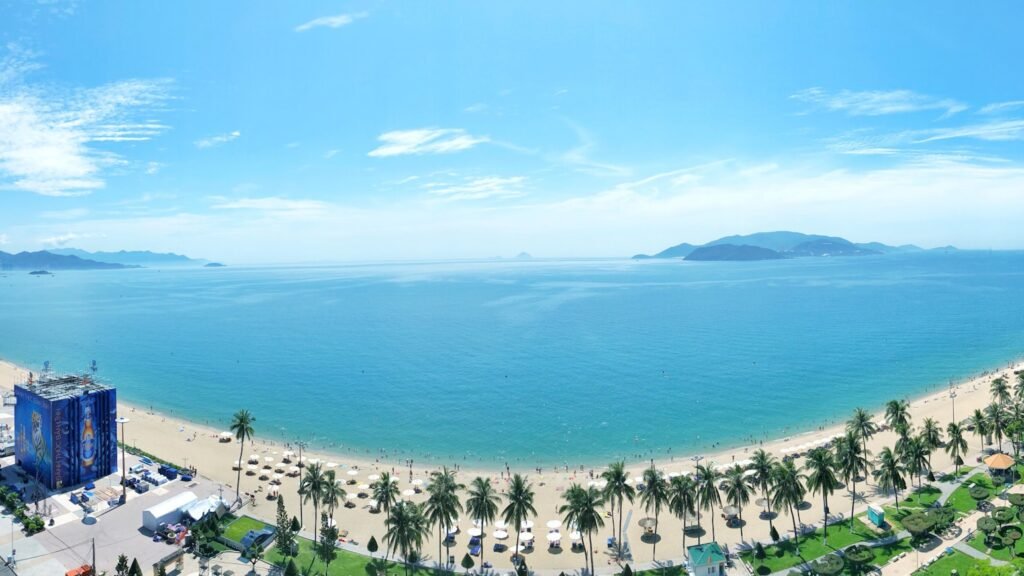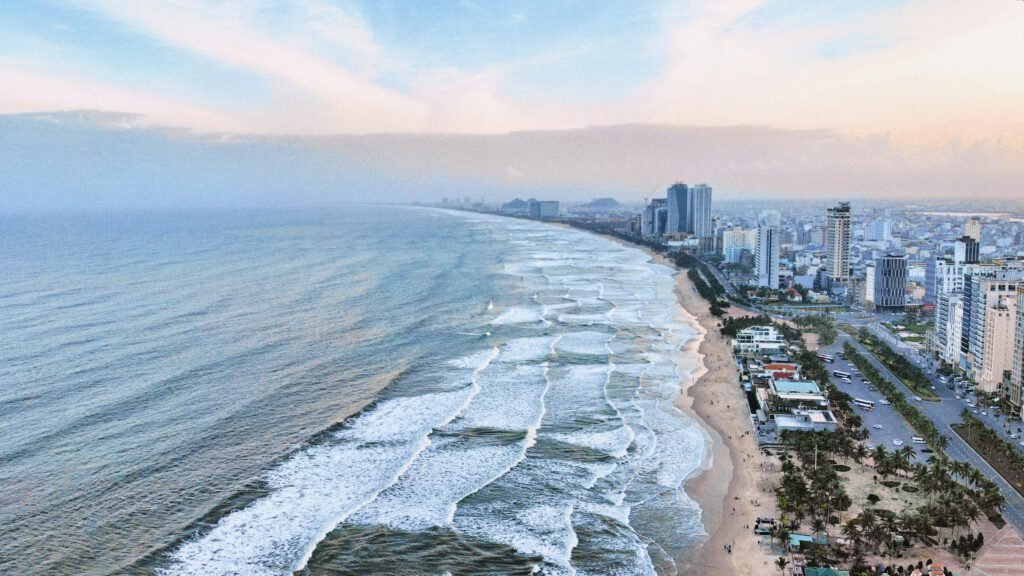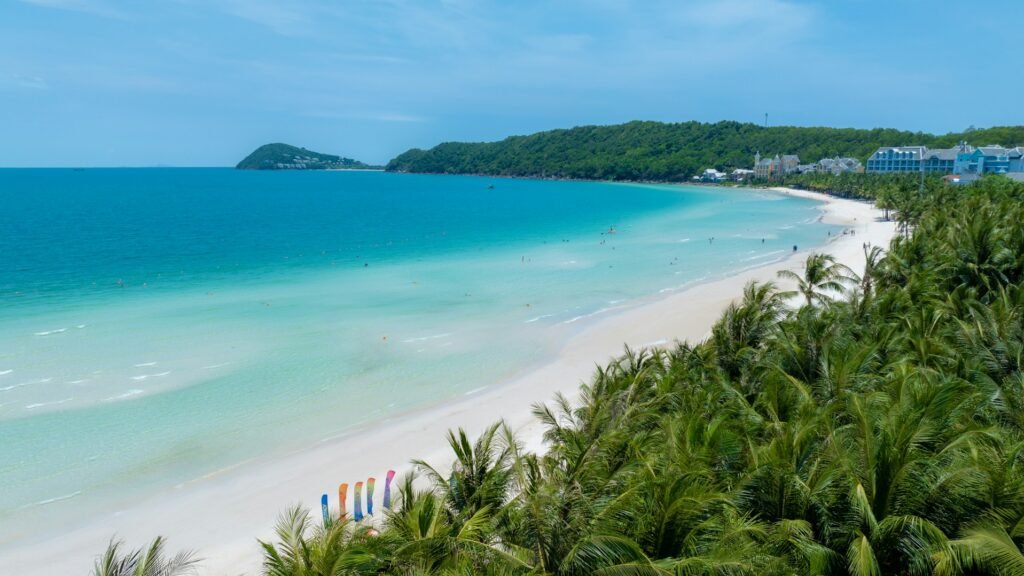
When people type “Is Phu Quoc worth visiting?” into Google, it usually means they’re hesitating. We all look for that place where it’s warm, beautiful, delicious, and affordable — but without unpleasant surprises.
Phu Quoc is one of those destinations where paradise and reality exist side by side. I arrived without inflated expectations, but with genuine curiosity. What follows is an honest travel story: what impressed me, what surprised me, and what made me smile and think, “Well… that’s Southeast Asia.” This is my personal take on Phu Quoc — and a real answer to whether it’s worth going.
First impressions: warm air, slower rhythm, tropical feeling 🌅
When the plane stopped at the terminal and the doors opened, the first thing I noticed was the air — warm, salty, filled with greenery and sea breeze. That moment instantly creates a tropical feeling, like the pace of life has been gently turned down a notch.
The drive from the airport doesn’t immediately look postcard-perfect. You pass local houses, small cafés with plastic tables, construction sites, fishing boats near the shore. And honestly, that’s reassuring — Phu Quoc feels like a real place people live in, not a decorative resort built only for tourists.
But then, almost unexpectedly, the scenery shifts. One turn — and suddenly there’s clear water, pale sand, and a beach that looks like it belongs in a travel brochure. Everyday life and beauty simply coexist here, and that contrast stays with you.
Beaches: an honest overview 🏖
Phu Quoc is surprisingly diverse when it comes to beaches. Even though the island looks compact on the map, each area feels different — from lively and convenient to quiet and almost empty.
Long Beach (Duong Dong area): convenient and scenic — but hotel choice matters
- Why people choose it: restaurants, cafés, shops, massage places, and easy access to the airport.
- Sunsets: often stunning — one of the best areas for evening walks.
- Cleanliness depends on location:
- near hotels and resorts, beaches are usually cleaned daily;
- near public access points without maintenance, debris may appear after strong winds.
- Good choice if: you check recent hotel reviews and photos, especially beach conditions.
Long Beach on Google Maps.
Duong Dong on Google Maps.
Ong Lang: quieter, greener, ideal for retreat-style relaxation
- Why people choose it: peaceful atmosphere, lush greenery, and a slower pace of life.
- Beaches: smaller and more intimate, often calmer and less crowded than Long Beach.
- Vibe: relaxed and quiet — better for rest than for nightlife or constant movement.
Things to keep in mind: fewer cafés and shops within walking distance; getting around is easier with a scooter or taxi. - Good choice if: you’re looking for tranquility, nature, and a retreat-style stay rather than active resort life.
Ong Lang on Google Maps.
Sao Beach: the famous postcard — with nuances
- Why people go: white sand and turquoise water that look stunning in good weather.
- Best time: early morning — cooler, quieter, and more photogenic.
- Crowds: can get busy during peak hours, especially late morning and midday.
- Cleanliness: may vary by season and wind conditions, especially near the edges of the beach.
- Good choice if: you want to see Phu Quoc’s most iconic beach and are happy to visit early and stay briefly.
Sao Beach on Google Maps.
Food: seafood, flavors, and coffee you’ll want to recreate at home 🍤☕️
Phu Quoc is a dream for seafood lovers. Shrimp, squid, fish grilled right on the street — everything is fresh, aromatic, and uncomplicated. What really stands out isn’t just the ingredients, but the care with which people prepare the food.
Vietnamese coffee deserves a special mention. Coconut coffee, especially medium roast, has a soft sweetness and deep aroma that stays with you. The good news: you can easily buy both the coffee and the traditional metal filter — the phin — in local supermarkets.
Nature: greenery, hills, and island calm 🌿
Many people are surprised by how green Phu Quoc actually is. Beyond the beaches, the island is covered with hills, forests, and tropical vegetation. Driving away from tourist areas reveals quiet roads, palm-lined landscapes, and wide green views.
The Phu Quoc National Park is a good example of this side of the island — not about intense hiking, but about space, shade, and slowing down. Mornings and late afternoons are the most pleasant times to explore.
Sunsets here feel especially unhurried. People gather on the sand, sit quietly, and watch the sky change colors — gold, peach, violet — each evening different from the last.
Best time to visit Phu Quoc ☀️
The most comfortable months are December to March: calm sea, warm weather, minimal rain.
Spring becomes hotter, while summer brings tropical showers. These are usually short but intense — and come with perks: greener landscapes, fewer tourists, and lower prices. Just pay attention to beach safety flags; red flags indicate strong currents.
The downsides: what no one warns you about 🙃
Phu Quoc isn’t perfect. Construction noise, occasional beach debris, and inconsistent Wi-Fi can happen. The island is developing fast — comfort is improving, but not evenly.
Understanding these realities helps set the right expectations — and makes the experience much better.
Final verdict: is Phu Quoc worth visiting? 🌴
Yes — absolutely. Especially if you’re looking for warm sea, nature, relaxed pace, and a place that still feels genuine.
If you want nightlife, endless entertainment, or perfectly polished resorts — Thailand or Bali may suit you better. But for calm, space, and tropical simplicity, Phu Quoc is a very rewarding choice.
How Phu Quoc feels for travelers from the US and the UK 🌍
Phu Quoc tends to reveal itself a little differently depending on where you’re coming from — and that’s part of its appeal.
If you’re traveling from the United States 🇺🇸
Phu Quoc often feels calmer and more affordable than many US beach destinations. Short distances, relaxed rhythm, and everyday comfort stand out, especially for travelers used to busy resort towns.
If you’re traveling from the United Kingdom 🇬🇧
For UK travelers, Phu Quoc feels like a true winter escape: warm evenings, tropical greenery, and long beach walks replace grey skies and routine.
If you’ve traveled Southeast Asia before 🌏
Phu Quoc sits somewhere between Bali and Thai islands — less chaotic, less polished, still evolving. For many, that balance is exactly what makes it attractive.
Frequently Asked Questions (FAQ)
Is Phu Quoc really worth visiting?
Yes — especially if you’re looking for a relaxed island atmosphere, warm sea, and a slower pace of life. Phu Quoc is not about nonstop entertainment or polished luxury everywhere, but about space, nature, sunsets, and simple pleasures. If you enjoy calm beach days and tropical scenery, it’s very much worth the trip.
What is the most comfortable season to visit Phu Quoc?
The best time to visit is from December to March. During these months, the sea is usually calm, the weather is warm but comfortable, and rainfall is minimal. This is the ideal season for swimming, beach time, and island exploration.
Are the beaches in Phu Quoc clean?
It depends on the season and the specific beach. In some months, ocean currents can bring debris to the shore. Southern beaches tend to stay cleaner, and many hotels regularly maintain their beachfront areas. Early mornings are usually the best time to enjoy the beaches.
Is Phu Quoc expensive compared to Thailand or Bali?
No — in general, Phu Quoc is more affordable. Accommodation, food, and transportation usually cost less than in Bali or many popular Thai islands, especially outside peak season.
Is Phu Quoc suitable for long stays or winter escapes?
Yes. Many travelers come to Phu Quoc for several weeks or even months. The island offers a comfortable lifestyle, warm climate, and reasonable prices, making it popular for winter stays and remote work — although internet quality can vary by location.
Is it safe to ride a scooter in Phu Quoc?
Generally yes, if you ride carefully and have experience. Traffic is calmer than in major Vietnamese cities, but it’s still important to wear a helmet, avoid riding in heavy rain, and pay attention to road conditions.
You May Also Like
- Vietnam e-Visa Application Guide (with Step-by-Step Examples)
- Vietnam Visa Requirements for 2026: A Complete Guide for Travelers
- Vietnamese Cuisine: 7 Must-Try Dishes in Vietnam
Useful links
- Official Vietnam tourism portal:
https://vietnam.travel - Vietnam Immigration (e-Visa):
https://evisa.gov.vn