Why Phuket in the first place
When people start thinking about spending winter somewhere warm, Phuket almost always appears near the top of the list. Warm sea, tropical climate, a developed resort island, good hotels, and that tempting idea of “life by the water” — it all sounds especially appealing when a long, grey winter is ahead.
I came to Phuket with fairly clear intentions. I wasn’t looking for a two-week vacation — I was looking for a place to live for several months. Somewhere I could work, stay active, go for walks or runs, meet people, and feel that my days had rhythm and meaning rather than just slipping by.
In my imagination, Phuket felt like a classic resort destination adapted for longer stays: walkable areas, relaxed outdoor living, decent transport, and the ability to move around easily without much planning. Reality turned out to be different — not worse, but very much its own thing.
What wintering in Phuket is really like: personal experience 🌿
The experience wasn’t disappointing — just unexpected in certain ways.
Infrastructure and walking
Phuket makes one thing clear quite quickly: this is not a city in the traditional sense. There aren’t many large parks, long pedestrian promenades, or continuous walking routes like you’d find in Europe or in major Asian cities. Life here is structured around roads, scooters, and short distances rather than long walks.
Yes, there are waterfront promenades — and in many areas, they are the only places where walking truly feels comfortable. But even those come with nuances. If you decide to go for a run along the seafront, especially in tourist-heavy areas, it can be surprisingly challenging: families, strollers, people stopping for photos every few steps. It’s lively, but not always ideal for uninterrupted movement.
Running and staying active
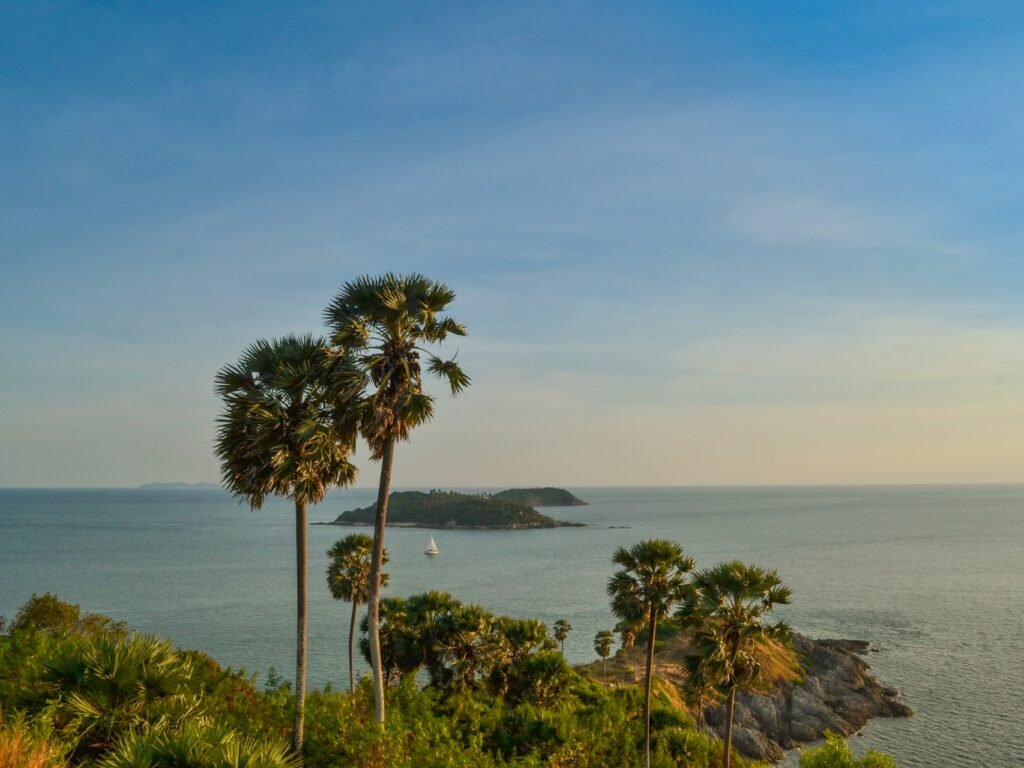
Living near Promthep Cape made it especially clear that running in Phuket is more about adaptation than ready-made infrastructure. Many people run directly along the roadside, using the shoulder — sidewalks are often nonexistent. I did the same. At first it feels unusual and slightly uncomfortable, but over time it becomes part of the local rhythm.
Choosing a running route here requires awareness. Some roads are stunning, with ocean views or jungle scenery, but they can be narrow, with sharp turns where motorbikes appear suddenly. Some stretches feel calm and enjoyable, others demand constant attention.
Is cycling safe in Phuket?
Unfortunately, cycling was not the solution I hoped it would be. Phuket’s roads are not designed with cyclists in mind: heavy scooter traffic, unpredictable driving patterns, and almost no dedicated cycling infrastructure. Riding along the shoulder can mean sharing space with trucks and fast-moving vehicles at close distance.
Quiet back roads don’t always solve the problem either — stray dogs are common, and some react aggressively to moving cyclists. As a result, cycling here rarely feels relaxed or safe enough to become a daily habit.
Why Phuket is still worth it 💛
Despite all the nuances, there are reasons why people fall in love with Phuket — and often stay much longer than planned.
A deeply relaxed pace of life
This is probably the main reason.
Both locals and long-term visitors move through life here calmly. Not lazily — calmly. That sense of ease is contagious. You start rushing less, noticing more, and being more present in your own days.
Phuket doesn’t force you to slow down — it quietly invites you to.
Community and social life
The community here is unexpectedly warm. Seasonal residents, digital nomads, people who moved permanently, small business owners, freelancers — all of this creates a supportive, open environment.
People connect easily, share recommendations, exchange contacts, and build routines together. You can meet others almost anywhere: in cafés, hotels, coworking spaces, gyms, yoga studios, or boxing clubs.
Nature and the sea
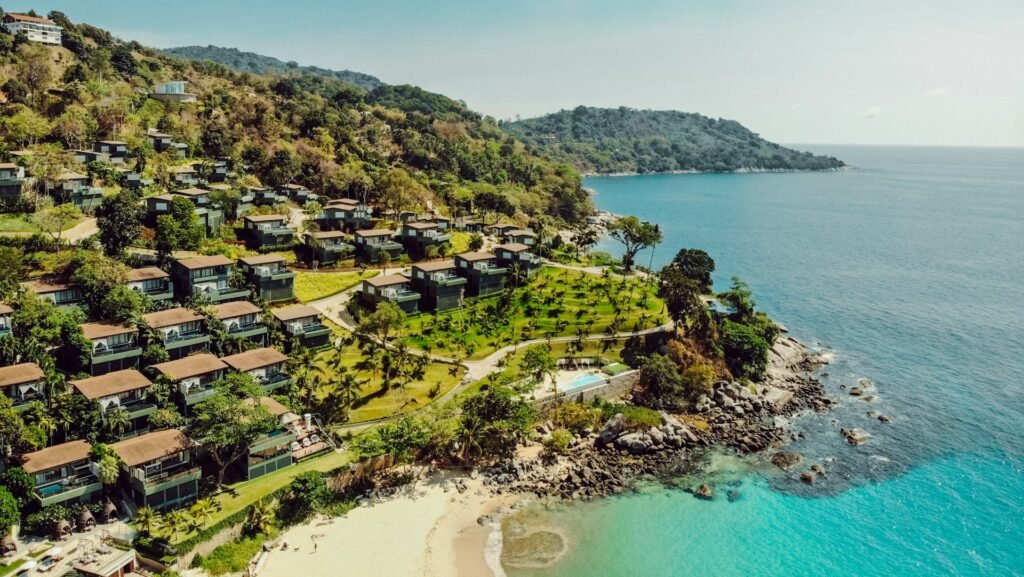
The beaches, the sea, and the tropical greenery are genuinely beautiful. On calm days the water is clear, the sand is light, and the surroundings feel exactly like a proper island resort.
Local communities do make an effort to keep beaches clean. During storms, the ocean can bring debris ashore, but this is more seasonal than constant.
A “village life” feeling
It’s not unusual to see roosters wandering the street near your hotel. On Phuket, this feels completely normal. It creates a sense of living not in a metropolis, but in a large tropical village — with palm trees and ocean views.
Daily life as small pleasure
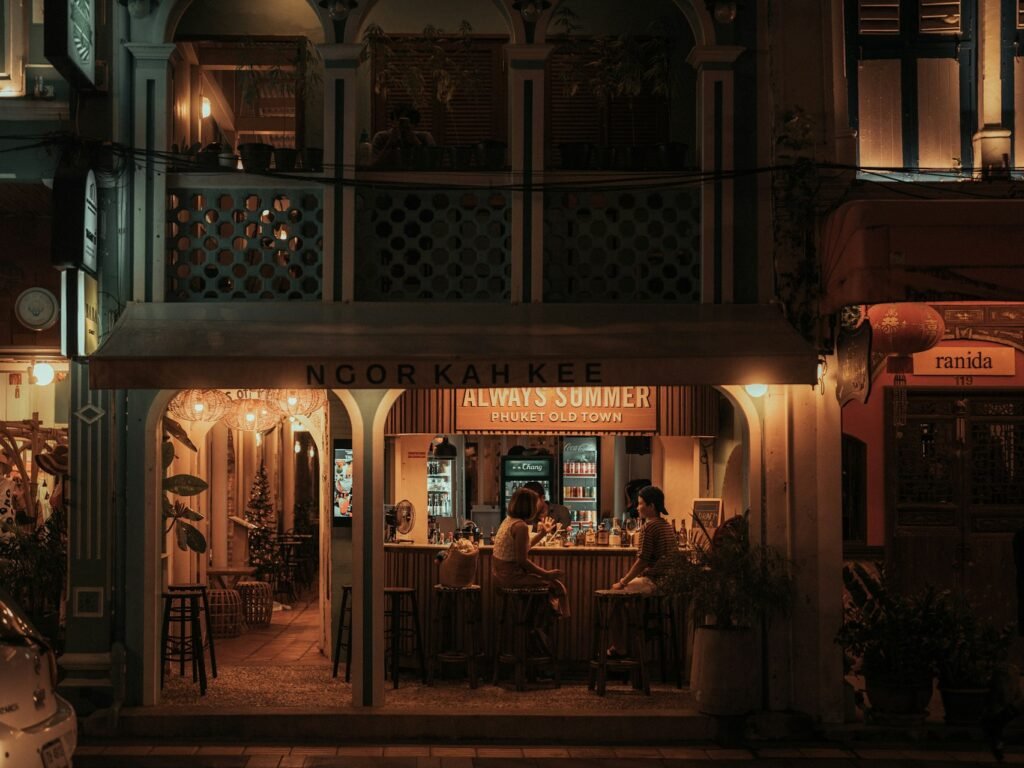
Life here naturally becomes about small joys. Breakfast by the sea. Sunset with bubble tea or a fresh coconut. A visit to a local market or bird park. Walkways through jungle areas, temples, evening cafés.
Many long-term visitors work remotely from their condos — often with pools and gyms on-site — occasionally heading to coworking spaces. Even with a full workday, it’s easy to fit in a morning swim and an evening walk. Phuket seems designed for life that doesn’t feel rushed.
Getting around: what actually works 🚕

Walking, cycling, or relying on public transport — as many people do elsewhere — is not particularly convenient in Phuket.
Public transport exists, but it’s limited and infrequent. Walking is possible, but infrastructure is patchy. Cycling remains the exception rather than the norm.
For most people, taxis are simply the easiest option.
Taxi apps in Thailand
- Grab and Bolt — reliable, clear pricing, fewer surprises.
- InDrive — often cheaper and allows negotiation, though drivers may request a higher price after booking.
For simplicity: Grab or Bolt.
For lower prices: InDrive.
Motorbike taxis are also common — fast, affordable, and practical if you’re comfortable riding.
So — is wintering in Phuket worth it? 🤍
If you’re looking for life by the sea, slow mornings, unhurried sunsets, and a sense that days are truly lived — Phuket can be an excellent choice.
If, however, you value walkable cities, strong public transport, and a more urban rhythm alongside beaches, Vietnam may suit you better:
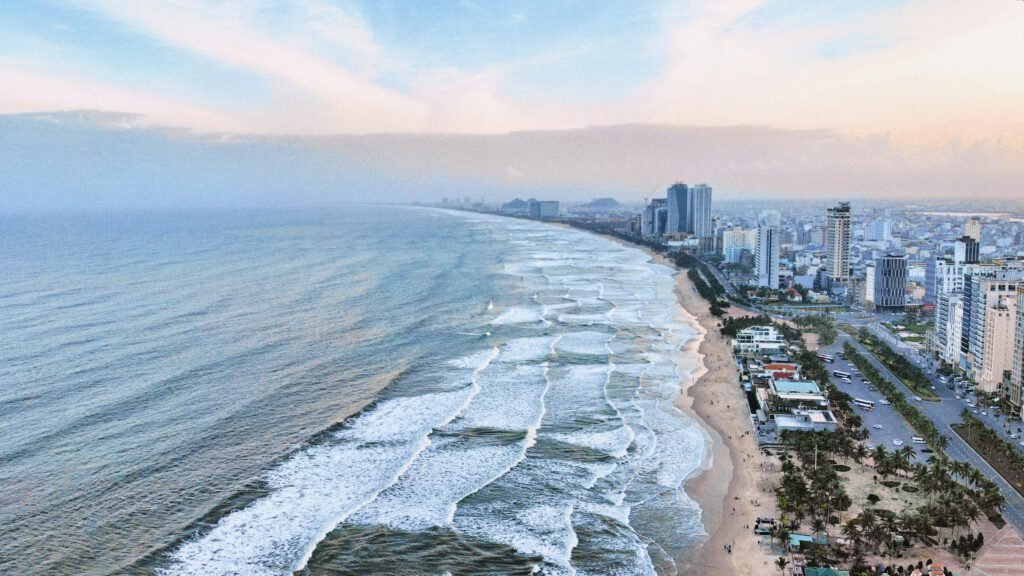
Da Nang — more urban and structured,
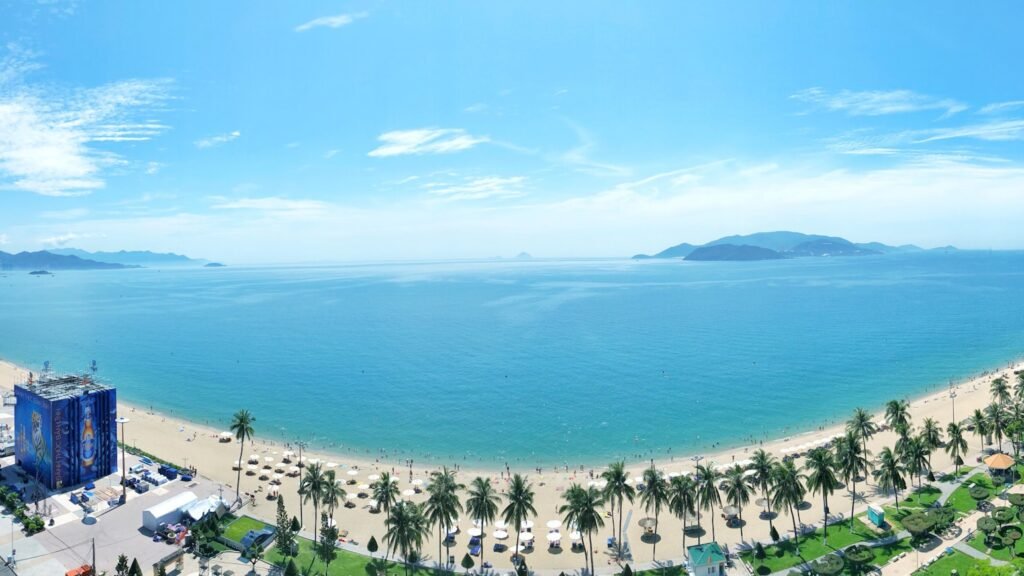
Nha Trang — more resort-like, but still city-oriented.
Frequently Asked Questions (FAQ)
What taxi apps should I use in Thailand?
The most convenient and reliable taxi apps in Thailand are Grab and Bolt. They offer fixed pricing, clear routes, and fewer misunderstandings, which makes them ideal for daily use.
InDrive is often cheaper and allows you to negotiate the fare before the ride. However, some drivers may message you after accepting the trip and ask for a higher price. If you value simplicity and predictability, Grab or Bolt are usually the better choice.
Where is the best place to spend winter in Thailand?
It depends entirely on the lifestyle you’re looking for.
- Phuket is ideal if you want to live by the sea, enjoy beaches, and embrace a relaxed, resort-style rhythm.
- Chiang Mai suits those who prefer a calmer city environment, cooler temperatures, mountains, and a strong expat and digital nomad community.
- Koh Samui offers an even slower, more island-focused lifestyle, though with more limited infrastructure.
There is no universal “best” option — the right choice depends on your priorities.
How can I find long-term accommodation in Phuket?
For short stays, booking hotels or serviced apartments through platforms like Booking.com or Airbnb is the easiest option.
If you’re planning a longer stay, it’s often more affordable to look for housing after arrival. Many people stay in a hotel for the first couple of weeks and then search locally — through real estate agents, expat chat groups, or by viewing apartments in the area they like. This approach allows you to better understand neighborhoods before committing.
Is tap water safe to drink in Phuket?
No. Tap water in Phuket is not considered safe for drinking. It’s recommended to use bottled water for drinking and cooking. Bottled water is inexpensive and widely available across the island.
When is the rainy season in Phuket?
The rainy season in Phuket usually runs from May to October. Rainfall often comes in short, intense bursts rather than constant drizzle, but during this period the sea can be rough, with waves and strong currents.
The best time to visit or spend winter in Phuket is from November to March, when the weather is drier, the sea is calmer, and overall conditions are more comfortable for beach life and long-term stays.
You May Also Like
- Thai Cuisine: 10 Best Dishes You Must Try in Thailand
- New Year in Da Nang, Vietnam: Is It Worth Visiting?
- A Week in Nha Trang travel guide: Sea, Food, and Adventures in Vietnam
Useful links
- Tourism Authority of Thailand (Official Tourism Website):
https://www.tourismthailand.org
Travel seasons, destinations, events, and practical travel information. - Thai Immigration Bureau:
https://www.immigration.go.th
Official information on visas, extensions, and long-term stay rules. - Thailand Digital Arrival Card (TDAC):
https://tdac.immigration.go.th/arrival-card/#/home
Required online arrival form to be completed before entering Thailand.